
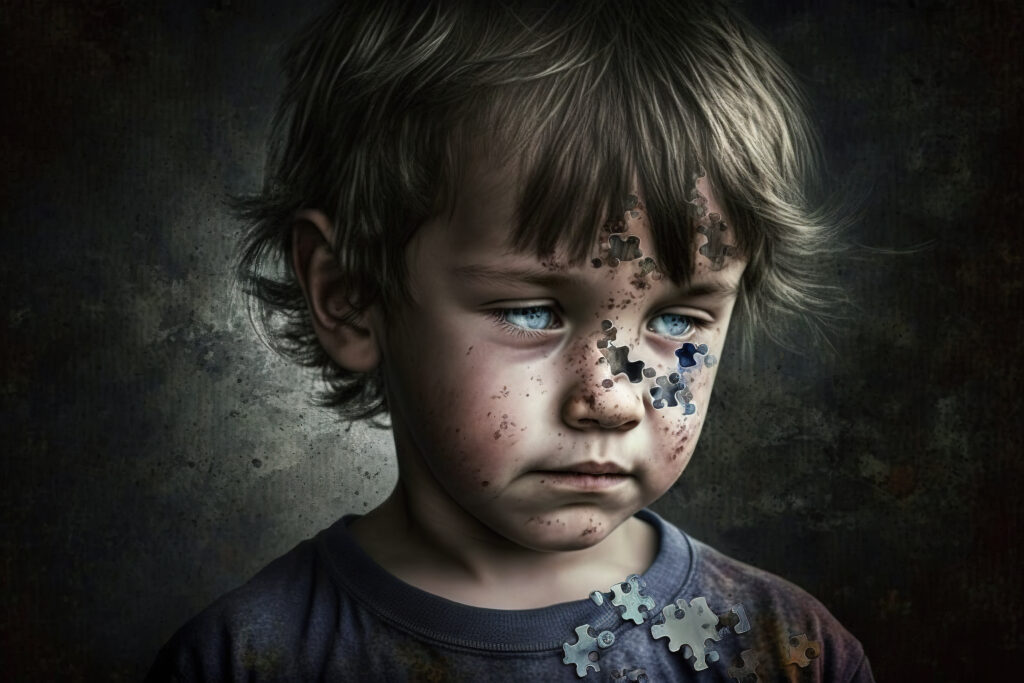
Introduction:
Psychosocial disability is a complex and often misunderstood area of disability that encompasses the intersection of mental health and disability. It refers to the impairments in cognitive, emotional, and social functioning resulting from mental health conditions. Unfortunately, due to the pervasive stigma and lack of awareness, psychosocial disability remains one of the most marginalized and overlooked aspects of disability. In this blog, we aim to shed light on this topic, challenge misconceptions, and promote understanding and support for individuals living with psychosocial disabilities.
- Understanding Psychosocial Disability:
To start, it is essential to develop a comprehensive understanding of psychosocial disability. We delve into the definition, causes, and various mental health conditions that can contribute to psychosocial disabilities. By exploring the range of disorders and their impact on an individual’s life, we can begin to appreciate the complexity and diversity of psychosocial disability.
- Myths and Misconceptions:
Psychosocial disability is riddled with myths and misconceptions, which perpetuate stigma and discrimination. In this section, we address some common misconceptions surrounding psychosocial disabilities. From the belief that mental illness is a character flaw or a choice, to the assumption that individuals with psychosocial disabilities are incapable of leading fulfilling lives, we debunk these myths and emphasize the importance of empathy and understanding.
- Stigma and Discrimination:
Stigma and discrimination against individuals with psychosocial disabilities are pervasive and have far-reaching consequences. We explore the impact of stigma on various aspects of life, including employment, education, relationships, and healthcare. By highlighting personal stories and statistics, we aim to raise awareness about the challenges faced by those with psychosocial disabilities and advocate for a more inclusive and supportive society.
- Intersectionality and Inclusive Practices:
Understanding the intersectionality of psychosocial disability is crucial. We explore how psychosocial disabilities intersect with other marginalized identities, such as race, gender, sexuality, and socioeconomic status. By recognizing these intersections, we can work towards more inclusive practices that address the unique challenges faced by individuals with psychosocial disabilities from diverse backgrounds.
- Promoting Empowerment and Support:
This section focuses on promoting empowerment and support for individuals with psychosocial disabilities. We discuss strategies for self-care, building resilience, and seeking help. Additionally, we highlight the importance of peer support networks, professional services, and community involvement in creating an inclusive and supportive environment.
Conclusion:
Psychosocial disability is undoubtedly one of the most misunderstood areas of disability. By dispelling myths, challenging stigma, and promoting understanding and support, we can pave the way for a more inclusive society. Let us strive to create spaces where individuals with psychosocial disabilities can thrive, where their voices are heard, and their rights are respected. Together, we can work towards a future that embraces diversity and celebrates the strength and resilience of every individual, regardless of their mental health condition.